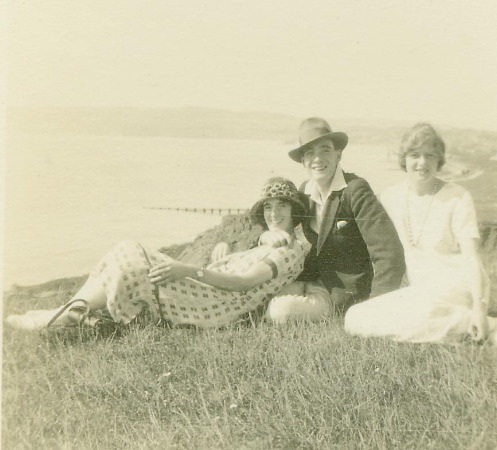
My uncle Ted (R.I.P. 1906–1979) came from a family of 11 siblings. Popular, fun-loving and musical (he used to play the ukelele) he was one of the middle ones. He was my favourite uncle, though they were all kind to me, and every one of them admirable people in their own various ways. During WWII he was in a reserved occupation, so he didn’t get called up to fight. However, after D-day, smitten by an urge to see some of the action, he resigned his pen-pushing job in Rat’s Castle, as his place of work was familiarly called, enlisted in the Tank Corp and was sent to Europe to take part in the invasion of Germany. He came back home somewhat less fun-loving, and with a little souvenir of his active service: lung TB. Plus a host of memories.
One such memory was of being one of the troops that liberated Belsen. When I pressed him for his war stories he reluctantly told me of bodies lying all over the place. He swapped his tank for a bulldozer to bulldoze piles of bodies into mass graves. In spite of having seen plenty of death on the way, he said he and his messmates were so horrified and disgusted they just wanted to “feed the Germans into their own gas ovens”.
I was a teenager when he told me about this, and I couldn’t picture what he was talking about. Today, 70 years on, I came across a programme on BBC iPlayer: What They Found.
To quote the blurb: Directed by Sam Mendes, this is the story of two soldier-cameramen, Sgt Mike Lewis and Sgt Bill Lawrie, who witnessed the liberation of Belsen during the closing days of World War II.
The name Belsen needs no explanation to a boomer. But it might to some of today’s young people. Belsen was not an extermination camp like, say, Auschwitz. It was a transit camp: people were sent there from other concentration camps in Germany. But amid the collapse of nazi Germany a total breakdown in camp administration had caused mass starvation and allowed typhus, typhoid fever, dysentery and tuberculosis to get out of control. Over 70,000 eventually died at Belsen and at the time of liberation their bodies were being left to rot where they fell.
I knew I had to watch the film, because Uncle Ted must have known the two cameramen, or at least noticed them as they went about the ghastly business of recording it all for posterity.
Now that I’ve watched it, I can’t unwatch it. But in a pathetic way I’m grateful, because it brings my uncle Ted back to life for me, and allows me to feel something of what he must have felt at the time. It shows the actual scenes of appalling horror he’d so poignantly described to me.
WARNING: don’t watch the film if you are of a sensitive disposition.
 Whitby Writers Group