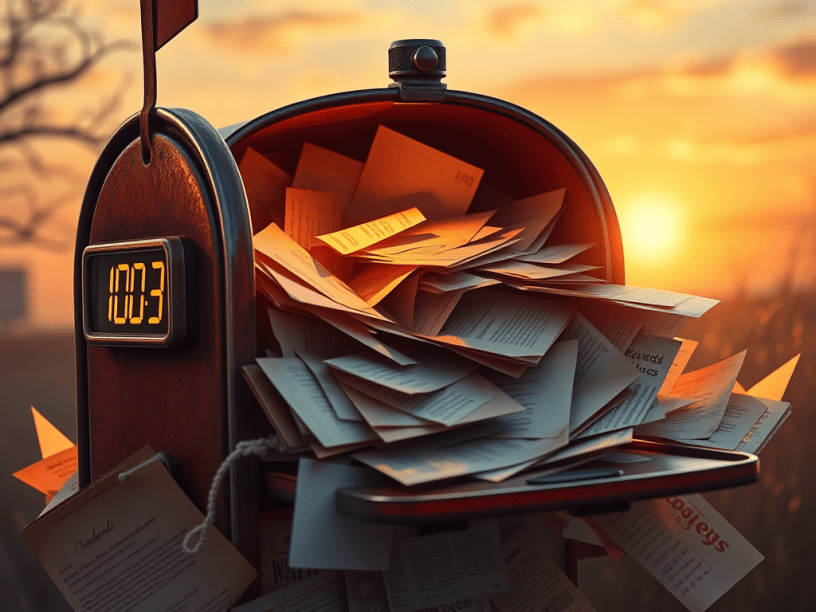
In 2005 a callow young journalist at Forbes.com dreamed up a time capsule with a difference. The magazine offered you, the reader, the chance to send yourself an email, to be received in 1 year; three; five; ten or twenty years!
The response was overwhelming. The organisers were then confronted with the problem of storing, and then sending, hundreds of thousands of messages until they fell due. When you consider the fragility of even big solid-looking organisations like Yahoo, or just how short a life a popular storage medium has these days (floppy disk, anyone? CDROM?) — this was no small task.
The twenty years is up. The last email has been sent. This Article in Scientific American describes how they did it. And how some of the bastions of the internet fell over and died on them.
Spoiler: the solution wasn’t technology, but human beings cooperating across 20 years, not all of whom made it.
Today we still have written documents in cuneiform from the dawn of writing, 5,500 years ago (thank you ChatGPT for that snippet of information). They can still be read… (kinda)!
Will any of the emails, books, stories and reports I’ve written in my lifetime still be readable in 100 years, I ask myself? Let alone 5 millennia?
 Whitby Writers Group